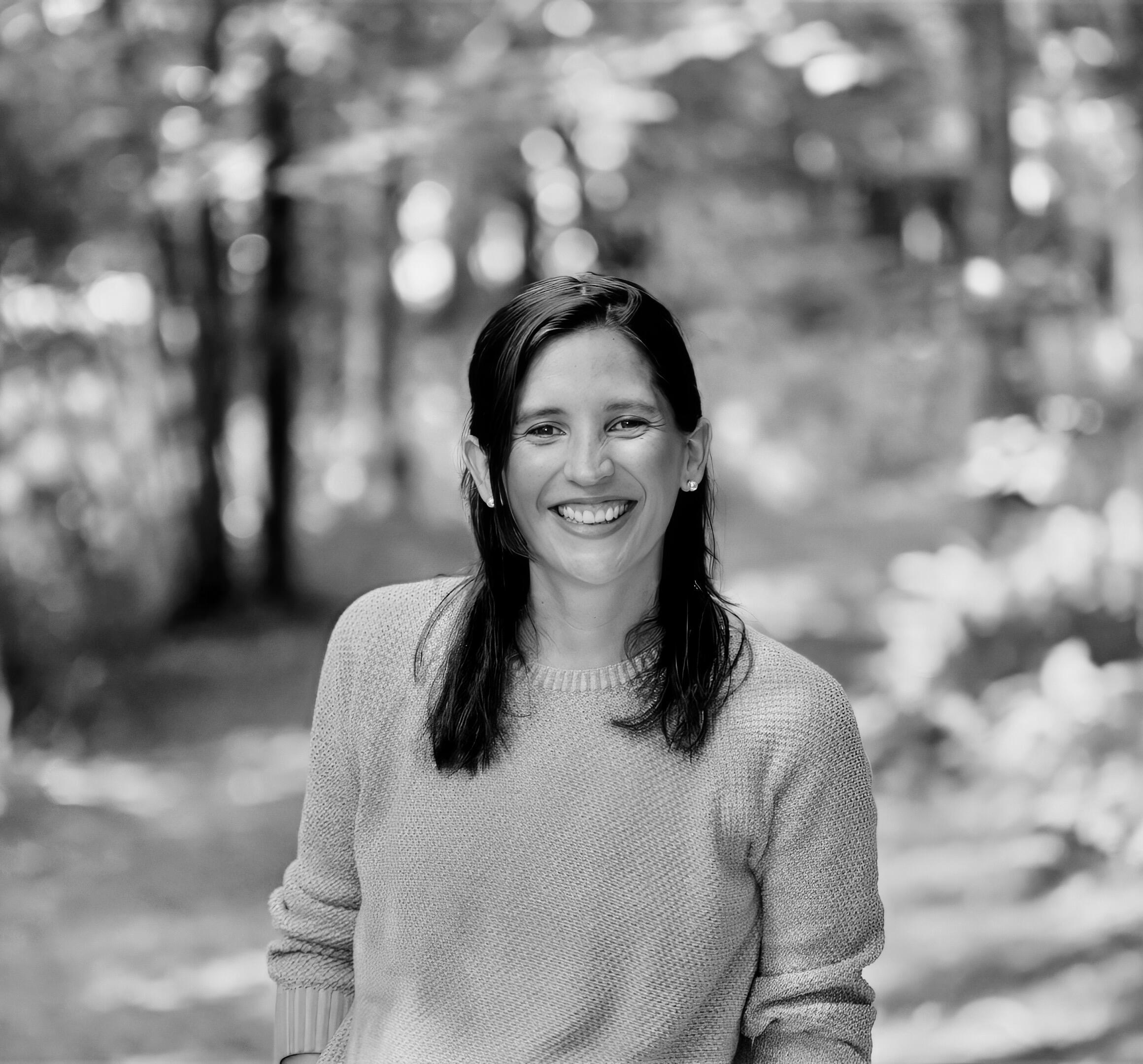
Meditation Teacher & Peer Support
Carmen María
Personal instruction in Tibetan Buddhist meditation and peer support for people navigating meditation-related difficulty — held over video or in person from the Adirondacks.
What sessions look like
Sixty minutes, once a week, built around your own practice — not a program.
Learning to settle in the natural state, with someone who has spent more than 20,000 hours doing the same.
01
A first conversation
We talk about where you are, what's brought you to meditation, and whether this is a good fit — before anything is scheduled.
02
Weekly one-on-one sessions
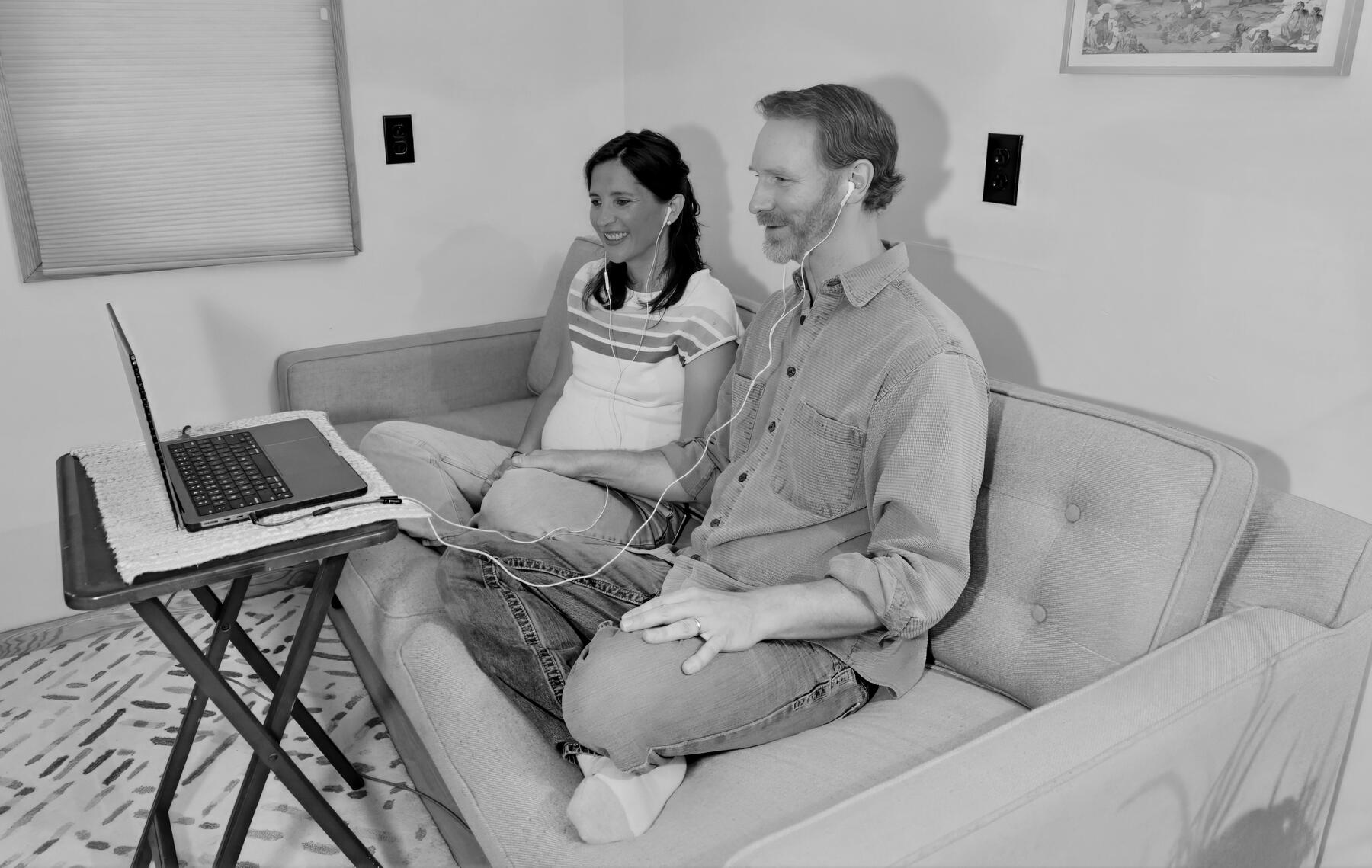
60 minutes, live by video or in person when possible. Techniques from Tibetan contemplative methods, matched to your experience level.
03
Guidance between sessions
Notes and practice suggestions after each call, so the next session picks up from where your practice actually is.
04
Go at your own pace
Come for a single session when you need one, or set up an ongoing rhythm — weekly or biweekly — as your practice develops.
Single Session
Try a session
$50
60 minutes
One time, no commitment
Good for a first conversation or an occasional check-in
Written notes after the session
Sessions in English and Español
Ongoing Package
Build a practice
$180
4 sessions, monthly
Weekly or biweekly
Continuity between sessions with notes and practice suggestions
Recommended for building or deepening a regular practice
Reduced-rate spots are available on request — reach out if cost is a barrier.
About Carmen
From International Trade to Dharma and Mental Health Counseling
For 15 years, she has walked the path of Tibetan Buddhism, receiving teachings from masters across all four schools and sitting in strict meditation retreats across Asia, Europe, the United States, and Mexico. She is currently pursuing master's degrees in Clinical Mental Health Counseling
Peer Support
For people navigating a hard patch in practice
Some difficulties that come up in meditation — after an intensive retreat, a difficult experience on the cushion, or a period of doubt about a teacher or community — don't need a program. They need someone who has been there and knows the terrain.
Peer Support
Processing a difficult retreat or teacher relationship
A space to talk it through with someone who won't minimize it
Carmen has trained in identifying meditation-related adverse effects
Peer support is not therapy, crisis care, or a substitute for licensed mental health treatment. If you're in crisis, please contact a crisis line or licensed provider directly.
Personal writing · July 2025
Why I left the Center for Contemplative Research
An open letter to friends and family — on twelve years pursuing a single-minded vision of shamatha, what that cost, and why Carmen now believes there are healthier ways to walk this path.
When it comes to working with the mind, the presence of a trusted teacher and the support of authentic meditation methods are not just helpful—they are essential.
A place to practice
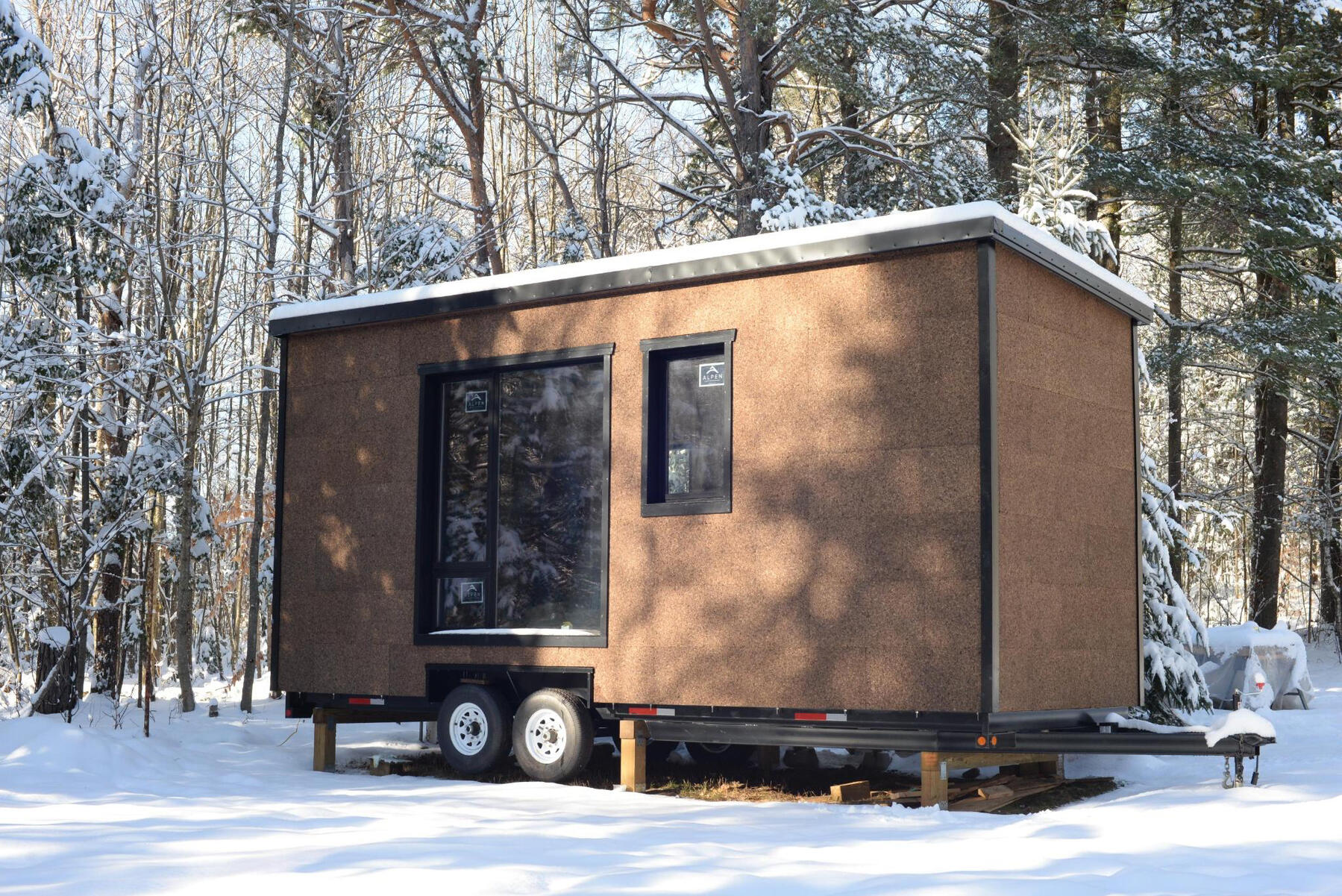
A tiny house built for meditation, in the Adirondacks
Designed specifically for retreat and meditation, exceeding Energy Star standards for comfort through every season. Available to students working who want to deepen their practice in person
Send a message, get in touch, schedule an appointment.
Carmen María
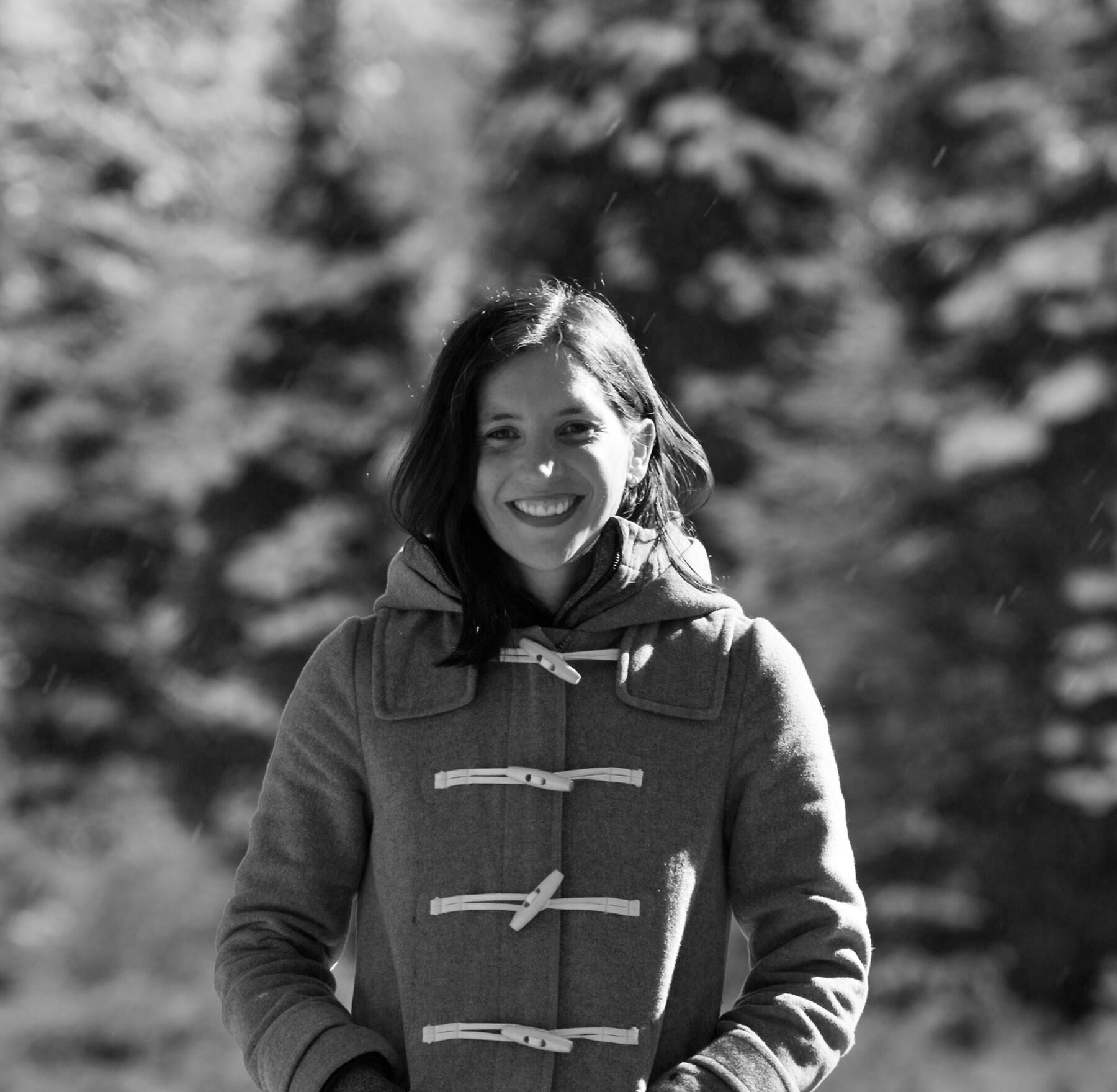
Carmen is a former world traveler, meditation instructor, and a clinical mental health counselor in-training.She has studied and practiced Tibetan Buddhism since 2012. For almost 15 years, she has dedicated tens of thousands of hours to meditation in personal retreats across Thailand, Nepal, Mexico, Spain, France, and the United States.Carmen now lives in the beautiful Adirondack Park in Upstate New York with her husband and Dharma companion, Terran Palmer-Angell. Together, they aspire to live a balanced life—dividing their time between deep retreat and sharing what they’ve learned over the past decades, with the intention of contributing, in whatever way they can, to the mental balance and well-being of others.
Time Line Details
1982: Born and raised in Mexico
1997: Track and Field National Private School Champion
2007: B.S. International Trade and Customs from Universidad Iberoamericana in Mexico
2008-2012: Long-Term Travel; backpacking around the world. Explored over 30 countries across four continents. Traveled from the north part of Mexico to the world’s southernmost city, Ushuaia, by road. Worked and volunteered in Canada and New Zealand, gaining hands-on experience in a everything from restaurants, to a kiwi fruit pack-house, dairy farm, and organic gardening. In 2011, encountered Tibetan Buddhism for the first time by working as a volunteer in a Dharma Center in New Zealand. In 2012, visited Dharamshala, India and took first course in Tibetan Buddhism. Also, had the fortune to attend teachings with H.H. Dalai Lama and Jetsunma Tenzin Palmo. That same year, in France, I had the fortune to attend a retreat with Khandro-la
2013: 8-week meditation retreat in Phuket Thailand. Focused on the cultivation of calm abiding, and the seven-point-mind-training. Total approximate hours of formal practice: 448
2013: 1 month meditation retreat at Nagi Gompa Nunnery in Shivapuri National Park, Nepal. Focused on the cultivation of calm abiding along side the practice of the Four Immeasurables: Loving-Kindness, Compassion, Empathetic Joy, and Equanimity. Total approximate hours of formal practice: 240
2014: 6 months meditation retreat at Desierto de Los Leones National Park, Mexico. Focused on the cultivation of calm abiding and insight meditation, along side with the practice of the Four Immeasurables: Loving-Kindness, Compassion, Empathetic Joy, and Equanimity. Total approximate hours of formal practice: 1,500
2014: Moved to Barcelona, Spain
2015-2022: Volunteered as a Meditation Instructor at the Centro de Meditación Dharmadhatu, in Barcelona, Spain
2017-2018: 8 months meditation retreat at Stupa de La Paz, in Valle de Bravo, Mexico. Focused on the cultivation of calm abiding and insight meditation, along side the practice of the Four Immeasurables: Loving-Kindness, Compassion, Empathetic Joy, and Equanimity. Total approximate hours of formal practice: 2,600
2021: 8 months meditation retreat at the Center for Contemplative Research, in Castellina Marittima, Italy. Focused on the cultivation of calm abiding and insight meditation, along side the practice of the Four Immeasurables: Loving-Kindness, Compassion, Empathetic Joy, and Equanimity. Total approximate hours of formal practice: 2,800
2022-2024: 27 months meditation retreat at the Center for Contemplative Research, in Crestone, CO. Focused on Dzokchen and Mahamudra Meditation. Contributed to a research project on the effects of long term attentional training. Total approximate hours of formal practice: 9,700
2025: 4 months meditation retreat in Saint Regis Falls, NY. Focused on Mahamudra Meditation. Contributed to a research project on the effects of meditation. Total approximate hours of formal practice: 1,080
2025-present: Meditation Instructor
2025-present: Masters Degree in Clinical Mental Health at State University of New York, Fredonia
2026: Obtained certification in Advanced Psychedelic Assisted Therapy and Ketamine Assisted Therapy, through Atma Cena, in Canada
2026: Practicum through Brown’s University Cheetah House. Shadowing one-on-one consultation with PhD licensed Psychologist with clients experiencing meditation related adverse effects.
2026: Practicum and Internship at North Country Behavioral Medicine. Training in Transcranial Magnetic Stimulation (TMS) therapy for severe treatment-resistant depression. Conducting individual sessions with native Spanish speaking clients
Courses on Buddhist Philosophy and Meditation
Essence of Wisdom by Gerardo Abboud, Online, 2026
Advance Practice Retreat, by Tsoknyi Rinpoche, Crestone, U.S., 2025
Discovering the Buddha Within, by Mingyur Rinpoche, Cold Springs, U.S., 2025
Teachings on Shamatha, by Drupon Lama Karma, Online, 2023
Dudjom Lingpa's text: The Vajra Essence — Part 3 by Dr. B. Alan Wallace, Online, 2022
The Vajra Essence Part 2: Revealing the Ground of Dharmakaya (Phase 3) and Determining the Characteristics and Qualities of the Ground (Phase 4), by Dr: B. Alan Wallace, Online, 2021
Taking the Impure Mind as the Path and Phase 2: Revealing Your Own Face as the Sharp Vajra of Vipashyana, by Dr. B. Alan Wallace, Online 2020
Mindfulness Based Stress Reduction, by Jesús Garzón, Online, 2020
Dreaming of Reality: Sleeping, Dreaming, and Dying in the Tibetan Buddhism, by Dr. B. Alan Wallace, Lampeter Campus, University of Wales, Wales, 2019
Dudjom Lingpa's text: The Enlightened View of Samantabadra, by Dr. B. Alan Wallace, Online, 2019
The Four Yogas of Mahamudra, by Dr. B. Alan Wallace, Online, 2019
Je Tsongkhapa's text: Three Principles of the Path, by Ling Rinpoche, Barcelona, Spain, 2019
Troma Nakmo Teachings, by Dudjom Sange Pema Shepa, Valencia, Spain, 2019
Transform your Mind and Change your Life a Retreat on the Seven Point Mind-Training. by Dr. B. Alan Wallace, Lampeter Campus, University of Wales, Wales, 2018
Dudjom Lingpa's text: The Sharp Vajra of Conscious Awareness Tantra and Pema Tashi’s text: Essence of Clear Meaning, by Dr. B. Alan Wallace, Online, 2018
Milarepa and Vajrasattva Teachings, by Garchen Rinpoche, Barcelona, Spain, 2018
Oral Transmission of Pema Lingpa's Termas, by Gangteng Tulku Rinpoche, Blye, France, 2018
Dudjom Lingpa's text: The Foolish Dharma of an Idiot Clothed in Mud and Feathers, by Dr. B. Alan Wallace, Online, 2017
Dzokchen Teachings, by Chogyal Namkhai Norbu, Barcelona, Spain, 2017
Ornament for Clear Realization, Istituto Lama Tzong Khapa, Online, Italy, 2017
A Meditation Retreat on Shamatha, Vipashyana, Mahamudra, and Dzokchen, by Dr. Alan Wallace, Online, 2016
Lama Mipham Rinpoche's text: A Lamp to Dispel Darkness, by Dr. B. Alan Wallace, London, England, 2016
Drakpa Gyaltsen's text: Parting from the Four Attachments, by Sakya Trizin Rinpoche, Barcelona, Spain, 2016
Nagarjuna’s text: ‘Explanation of the Mind of Awakening, by H.H. Dalai Lama, Ladakh, India, 2016
Open Heart Open Mind by Tsokny Rinpoche, Allihies, Ireland, 2016
Dudjom Lingpa’s text: The Foolish Dharma of an Idiot Clothed in Mud and Feathers, by Dr. B. Alan Wallace, Gaunts House, Wimborne Minister, England , 2015
Stage of Generation, Shamatha, Vipashyana, and Mahamudra, by Dr. B. Alan Wallace, Online, 2015
Shamatha, Vipashyana, Dream Yoga, and the Experience of Pristine Awareness in the Great Perfection Tradition of Tibetan Buddhism, by Dr. B. Alan Wallace, Online, 2014
Training in Buddhist Philosophy and Meditation, by Basili Llorca, Spain, 2014 - 2022
Shamatha, Vipashyana and the Four Applications of Mindfulness, by Dr. B. Alan Wallace, Online, 2012
The Four Immeasurables and Bodhicitta, by Dr. B. Alan Wallace Tonalli, México, 2012
Compassion Retreat, by Khandro Tsering Kunga Bum-ma, Nalanda Monastery, Lavaur, France, 2012
Nyung Ne — Practice of the Buddha of Compassion, by Denma Lochoe Rinpoche, McLeod Gangj, India, 2012
Introduction to Buddhism, by Glenn Svensson, McLeod Gangj, India, 2012
Geshe Langri Tangpa’s text: Eight Verses of Training the Mind, by Jetsunma Tenzin Palmo, Bir, India, 2012
Public teachings on Compassion, by H.H. Dalai Lama, Rewalsar, India, 2012
get in touch
Start with a conversation, not a commitment
Send a message and Carmen will reply personally — usually within a few days — to talk through your goals and answer any questions before scheduling anything.
What does it cost?
$ 50 for a single session, or $180 for a monthly package of 4. Reduced-rate spots are available on request.Peer support or meditation guidance — what do I need?
Meditation guidance for building a practice. Peer support is for working through a difficult retreat, teacher relationship, or meditation-related distress. Not sure? Say so in your message and Carmen will help you figure out the right fit.Do I need prior meditation experience?
No. Sessions are tailored to complete beginners as well as long-time practitioners.In person or online?
Both — video call by default, in person from the Adirondacks when possible. There is retreat space available to work with Carmen (45 acres in thousands of acres of state land.)

Personal Reflections
Open Letter to Friends and Family: Why I Left the Center for Contemplative Research
by Carmen María Alvarez — July 2025
When I left the Center for Contemplative Research, I did so with a sense of sadness and disappointment. I found myself at a turning point. It felt like time to explore a middle way—not just in my meditation practice—particularly in retreat—and how I related to it, but in how I wanted to live the rest of my life as a practitioner.Over the past year, I’ve been quietly reflecting on my time at the CCR—on the retreat environment, the approach to practice I committed to, and the vision offered by Dr. B. Alan Wallace. I’ve also been asking myself whether, as someone who walked this path with sincerity and devotion, I carry some responsibility to share my experience with others—especially with fellow Dharma practitioners who may be walking a similar path or considering it.What follows is personal reflection, not a judgment. If something here resonates with your own experience or aspirations, feel free to take it into your own reflections.For over a decade, I devoted myself wholeheartedly to Alan’s vision: to achieve stage ten of shamatha—trusting that from there, as he often implied, “the world would be yours.” According to this view—accompanied with compassion—only by fully accomplishing shamatha could one truly progress to vipashyana and, eventually, realize pristine awareness in a stable and irreversible way. It was also suggested that such a path could lead to the dismantling of materialism through the acquisition of siddhis and the recollection of past lives. In order to follow this vision, I willingly set aside family, friendships, a professional career, and financial stability—all in service of that singular goal.But the impact of that choice was not small. It placed considerable strain on my life—especially on my previous marriage. After all, what happens to a relationship when one partner longs to withdraw from the world indefinitely in pursuit of the highest well-being for all beings, while the other struggles to find their place in that picture?Do I regret the approach to Dharma that Alan Wallace presented—and that I chose to follow? Not at all. I’m deeply grateful for what those years of dedication gave me. I practiced sincerely. I know that the ground I stand on now was laid through that effort and the genuine wish to be of benefit. But if I could go back, knowing what I know now, I believe I’d choose differently.To offer some background: Back in 2012, after attending one of Alan’s retreats, I left with a quiet conviction—that the achievement of shamatha was the most meaningful pursuit a person could undertake in this life. I believed that for Dharma practitioners who had the necessary causes and conditions—especially those of us studying with Alan—not to commit ourselves fully to shamatha was simply a sign of insufficient renunciation. And for those of us who were striving toward it, we were the fortunate ones: we had recognized what truly mattered, and we had a teacher who would be there to guide us, step by step. A teacher who, I believed, would take care of us.Looking back, I wonder: does this belief sound familiar to anyone else? Has this thought shaped your own approach to the path?
Do I regret the approach to Dharma that Alan Wallace presented—and that I chose to follow? Not at all. I’m deeply grateful for what those years of dedication gave me...But if I could go back, knowing what I know now, I believe I’d choose differently.
Over the course of nearly a decade, I did everything I could to prioritize retreat—I spent years without seeing my family, quit jobs, turned down promotions, and took leaves of absence—doing whatever was necessary to spend as much time as possible in meditation. Eventually, I completed several short- and long-term retreats across three continents. Then, by the end of 2021, a long-held dream came true: I was finally invited to the Center for Contemplative Research to begin an open-ended retreat. I felt overwhelming joy. At last, I could leave everything behind—perhaps for the final time—and dedicate myself fully to practice, in an ideal environment and close to my teacher.But I was also nervous. I was living in Barcelona at the time, recently divorced, and preparing to dismantle what little I had left of a settled life. I gave away almost everything. What remained—mostly Dharma books, practice objects, t-shirts, sweatpants, and hoodies—fit into two bags. I closed the door of my tiny apartment behind me, and crossed the Atlantic toward the unknown.And although it felt scary—as if I were jumping out of a window, trusting I’d learn to fly—I was deeply convinced I had nothing to fear. Alan would be there. I believed he’d catch me if I fell.I imagined deepening my connection with him, receiving his in-person guidance, contributing valuable data to scientists in a rigorous research setting, and eventually achieving shamatha—and beyond. I even dreamed that, in time, I might become a resident teacher myself.I wonder now: do any of these hopes echo in the hearts of others? Was it just me who saw things this way?As the months passed, the circumstances I had envisioned didn’t materialize as I’d hoped. Instead, I encountered doubts about Alan’s approach that felt legitimate, and aspects of the teachers and organization that felt both unexpected and unfamiliar. The path I once saw as clear, noble, and singular began to feel too narrow—too rigid. And at times, even potentially mistaken.I watched my Dharma companions—each with their own struggles, strengths, and ways of relating to the practice. Over time, I came to know practitioners, both at CCR and elsewhere, who, like me, had gone “all-in with this vision”. Some of them fell into depression or anxiety in the wake of isolation and a lack of sufficient guidance. Others experienced energetic imbalances that showed up as physical pain. A fellow retreatant slipped into what seemed a temporary psychosis. Some wrestled with suicidal thoughts, insomnia, and severe distress. Some others had felt the need to leave, but either they were talked out of it or simply didn’t dare to ask.Many carried a heavy, unspoken burden of guilt—believing that their inability to achieve shamatha reflected a lack of renunciation or a failure to understand the Four Revolutions in Outlook. We had all been told that shamatha should be achievable in three, six, or nine months—and that if we didn’t succeed, it was due to our conduct.When these practitioners reached out for help, the support they received was minimal: maybe a few lines in an email, once a month or every two months. And even when they raised serious concerns repeatedly, their struggles were often forgotten between correspondences or dismissed as nyams. But were they really?These weren’t passing states. What I saw didn’t resemble the classical description of nyams—temporary, self-resolving effects of authentic practice. These difficulties persisted. They deepened. And for many, they didn’t go away. In some cases, they continued even after leaving retreat.
Many carried a heavy, unspoken burden of guilt—believing that their inability to achieve shamatha reflected a lack of renunciation or a failure to understand the Four Revolutions in Outlook.
Over the course of two years at the CCR, I had only three in-person meetings with Alan—each lasting about twenty minutes. At the beginning of 2024, when he was already in retreat with us at the CCR, I reached out to ask whether he might be willing to offer me in-person guidance on a “regular basis”—thinking perhaps once every three weeks. I felt I needed strength, encouragement, and clarity on some aspects of the practice. I was also thinking of the stories I’d heard about Lama Karma receiving regular in-person guidance during his own shamatha retreat—his teacher sometimes even arriving joyfully, singing vajra songs, dancing, and cooking vegetables.The answer I received was “No.” I was told: “You, like all the rest of the aspiring yogis here have received plenty of guidance from me for years, so you are no longer beginners and should know enough by now to continue in your practice.” The underlying assumption seemed to be that information was all we needed from Alan—that because we had received instructions, nothing more was required. That inner strength, discernment, guidance, and resilience should arise naturally from the practice of guru yoga.Only a few weeks later, one of the most sincere and devoted practitioners I’ve ever known began exhibiting incoherent speech and behavior in front of several of us, which seriously impacted us all. I later learned that warning signs had been visible for nearly a year—but because we were all instructed not to interact with one another, no single person had been able to see the full picture. We assumed the CCR would step in and offer close care, to help this person regain their footing. But when I spoke to Alan directly, he told me, “There’s no one here who can give [them] that.” I was shocked—and saddened. I couldn’t help but think: this could have been me. If I broke down, after leaving everything behind—no income, just two bags—where would I go? Who would help me? That’s when I first felt truly unsafe: the sense that if something went wrong, we’d be left on our own.In the wake of this distressful event, another yogi requested personal meetings. The response, again, was “No.” This time Alan said, “What you are asking is that I once again sacrifice my personal retreat for the sake of others, which I did for 20 years.”These moments shook me. They raised questions I had never allowed myself to ask before.
What does effective support and guidance look like? What does compassionate guidance mean, when those in your care begin to suffer harm? What level of guidance, in these circumstances, is safe, appropriate, ethical, or reasonable?Why did the teacher so many of us followed—sacrificing so much to practice under his guidance—feel so distant, even when physically nearby, literally across the road? Why was there such a stark contrast between our lived experience and the public narrative that everyone at the CCR was flourishing? Were we yogis being used as marketing and fundraising tools?Throughout Buddhist history, some of the most revered adepts offered in-person guidance to students who undertook strict, long-term retreat with them. Why, then, was that care missing here? Why did it feel like we had become invisible?Are all practitioners truly suited for solitary, open-ended retreat with minimal contact and support? And if we falter, is it only our own fault? Or does the teacher bear some responsibility—to meet with us, to see us, to guide us directly?As time passed, the retreat environment itself began to feel increasingly controlling. We were advised not to communicate with our families and were told they would be “fine without us.” Speaking with fellow retreatants was forbidden—we were explicitly instructed not to go to each other for help. We knew that caretakers had been asked to observe and listen to us, and to report what they saw and heard to Alan. Even during extended medical trips into town—two hours round-trip, plus the appointment itself—we weren’t permitted to stop and eat, as this was considered being distracted by “the allures of samsara.”There was also a quiet, but unmistakable pressure placed on us: if you were struggling and taking “too long” to achieve shamatha, perhaps it was better to leave, so that one of the many highly qualified and motivated practitioners on the waiting list could use your cabin instead. Later, I learned that there was no waiting list.All of us at the CCR were sincere, committed practitioners, doing our best to follow the vision presented to us. What troubled me wasn’t the isolation among us, or even the restrictions—but what they seemed to imply. Where was the trust? Is this what genuine support looks like? Is it necessary to control the behavior of sincere adult practitioners who left everything for this opportunity? To monitor them? To make them feel watched?Why the extreme emphasis on achievement, the pressure, when a shamatha retreat —let alone a Mahamudra or Dzokchen retreat —must be based in relaxation? Were we truly being supported—or were we being managed?And then, the question arose: Is this a cult? I told myself, I hope not... but it certainly has some frightening similarities.
Why the extreme emphasis on achievement, the pressure, when a shamatha retreat —let alone a Mahamudra or Dzokchen retreat —must be based in relaxation?
At one point during my retreat, I began slowly reading Mahamudra texts. In my limited reading, I didn’t encounter the idea that stage ten of shamatha was the sole gateway to progressing on the path, or to realizing irreversible insights. This puzzled me. I started wondering: What does it actually mean to achieve shamatha within the context of Mahamudra? The answers I found—particularly in texts like The Royal Seal of Mahamudra—were strikingly different from what I’d been taught by Alan.Within that same context, I wanted to understand what it meant to practice the union of shamatha and vipashyana. Again, the teachings I encountered diverged significantly.These questions began arising quietly in my mind, one after another. But I found myself unable to bring them to Alan, for fear of how he might react.That said, when I shared with you that my retreat at the CCR was meaningful and enriching, I truly meant it. Despite everything above, it was. A central part of the Dharma path—especially for a contemplative—is learning to transform whatever arises into the path. And I did. Or at least, I tried to the best of my ability.One of the most difficult moments of my retreat came when my father suffered two strokes. Even then—even with the minimal guidance I received—I was able to go deeper in practice than ever before. I consistently meditated for an average of twelve hours a day. I could sit for sessions of five, six, sometimes seven hours without interruption—without losing mindfulness, without wavering.But paradoxically, the deepest and most meaningful shift came when I let go of the idea of achieving stage ten shamatha altogether. When I released the pressure I’d carried for so many years—the expectation that my senses needed to “implode” in order for the practice to be valid—that’s when something began to open. I stopped chasing a milestone, and I simply practiced.Since July of last year, I’ve been quietly reflecting on what happened—on what I saw, what I experienced, and what I witnessed in others. I’ve tried to look at it as clearly and honestly as I can, though I know that what I’m sharing here is only part of the story. There are other elements that heavily influenced my decision to leave the CCR, but many of those aren’t my stories to tell—or don’t feel appropriate to share.What I can say is this: after much contemplation, there are many grey areas—places where, depending on your perspective, things may look very different. But after a year of reflection, those grey areas now feel more like red flags to me. And that’s simply where I stand.I share this not as a judgment, but as a personal reflection. It’s taken me twelve months to feel ready to speak, and I do so with genuine gratitude for the opportunity I was given at the CCR. But that gratitude was never meant to replace my own common sense and discernment.Have I given up? No. Absolutely not. The Dharma is real. But my understanding of the path has changed. I now believe there are healthier, more balanced, and more compassionate ways to approach practice than the one Alan offers—ways that reduce the potential for harm without sacrificing depth or authenticity. A middle way.For those who’ve asked whether I’d recommend going to the CCR, my answer is simple: no.Thank you for taking the time to read this. I’m not sharing to persuade, only to offer a perspective—one that might help you make choices that feel wise and true for you, and most beneficial for your own journey.With warm wishes,
—Carmen MaríaP.S.—Not long ago, Terran and I attended teachings with Mingyur Rinpoche. He said clearly that achieving the ten stages of shamatha is not necessary for effectively practicing vipashyana. He emphasized that your degree of stability determines how easy vipashyana practice will be. The less far you are on the stages of shamatha, the longer it might take—but achieving the ten stages of shamatha is not necessary for developing fully effective vipashyana.